Groninger Museum holds over 60,000 artworks and objects spanning five millennia, mirroring a similar polyphonic nerve to its architecture. Just as the building was a postmodern provocation built on collaboration by multiple architects and designers, the collection holds the same instinct.
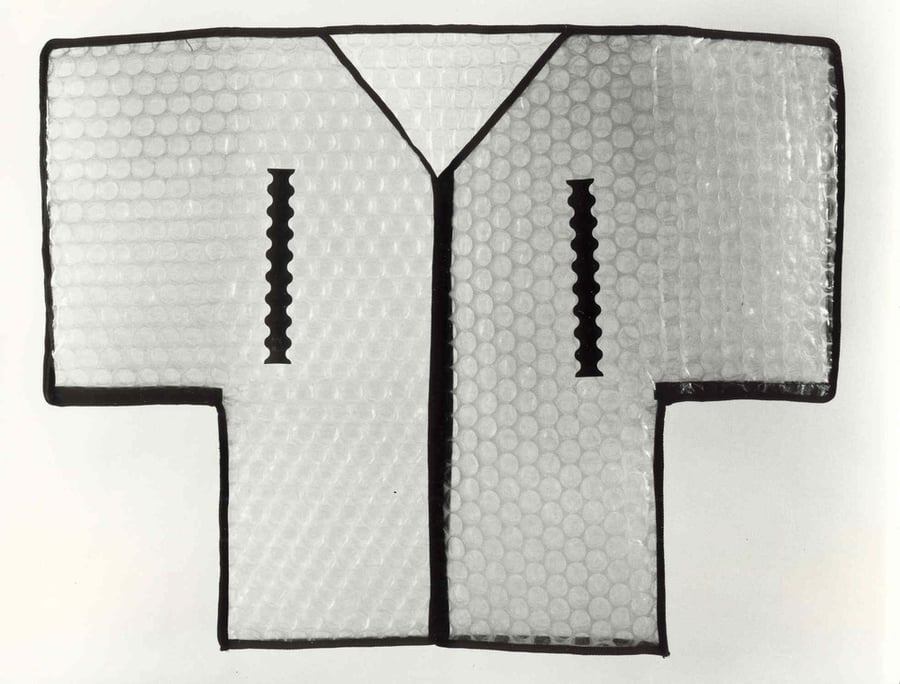
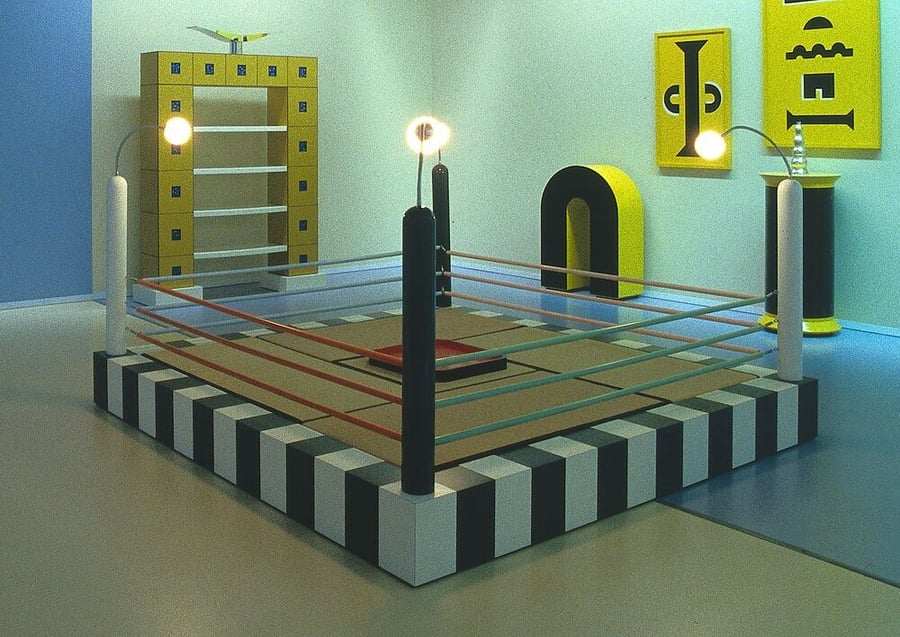
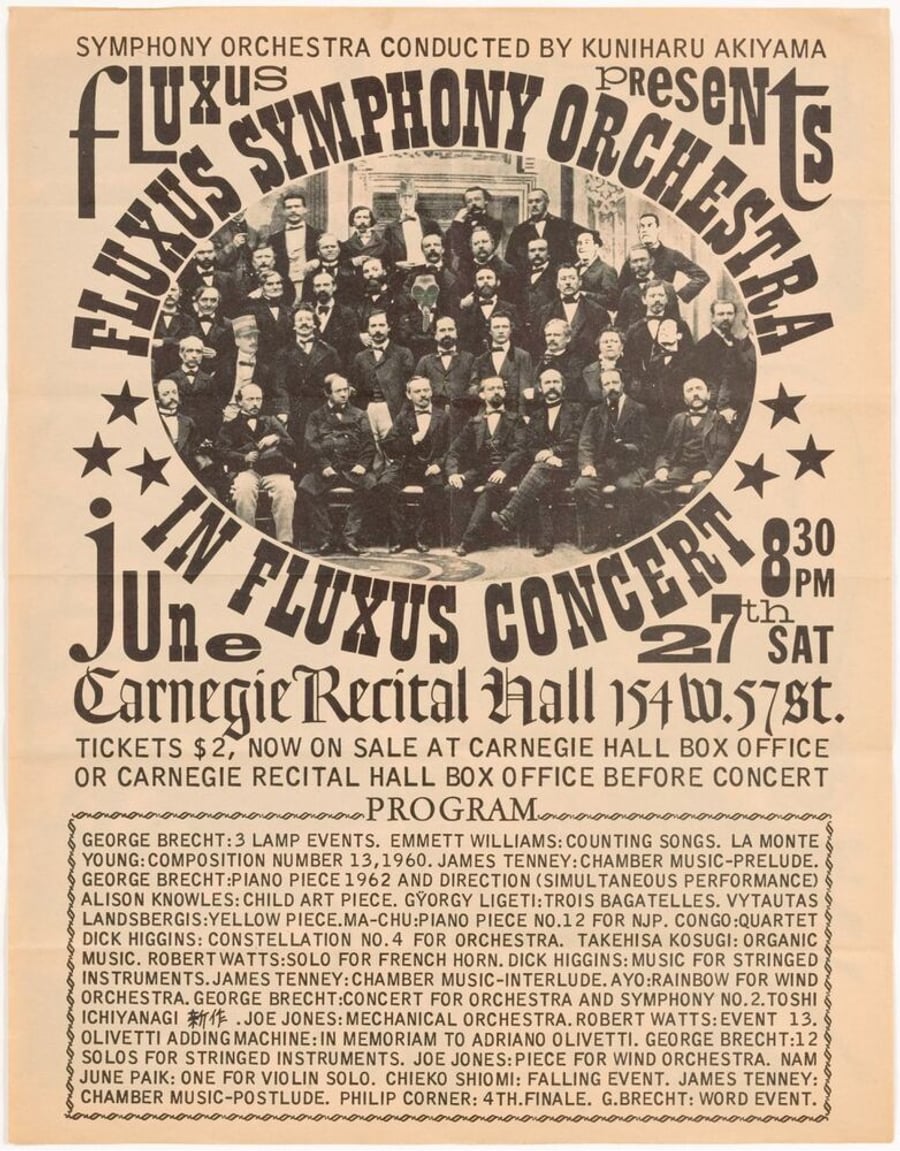
Studio Alchimia and Memphis treated design as a form of cultural critique. An early acquisition of Fluxus set the museum on a path to dissolve the line between art and everyday life. Groninger Museum also holds the largest collection of De Ploeg, a movement that built a radical identity against conservatism and toward open, international dialogue. Each of these movements asked timely questions related to what happens when boundaries between disciplines are dissolved.
The museum reads its collection through the lens of contemporary art. Whether exhibiting East Asian ceramics from the Neolithic age to the twentieth century, to tell the tales of daily rituals and spiritual traditions. Or when researching artefacts from the entire province, to start conversations about the region’s colonial pasts and layered histories. Our approach is rooted in interdisciplinary knowledge, collective work, and experimental processes.
Our exhibition making and publications connect to the polyphonic nature of the collection, from Vincent van Gogh to Nathalie Du Pasquier, from Song dynasty vases to Rineke Dijkstra, Marga Weimans or Odilon Redon. Our programme is in resonance with impulses found in the fashion of Viktor & Rolf and Iris van Herpen, the bold design of Swip Stolk, Hendrik Nicolaas Werkman’s typographical experiments, and architecture by Zaha Hadid - to name a few.
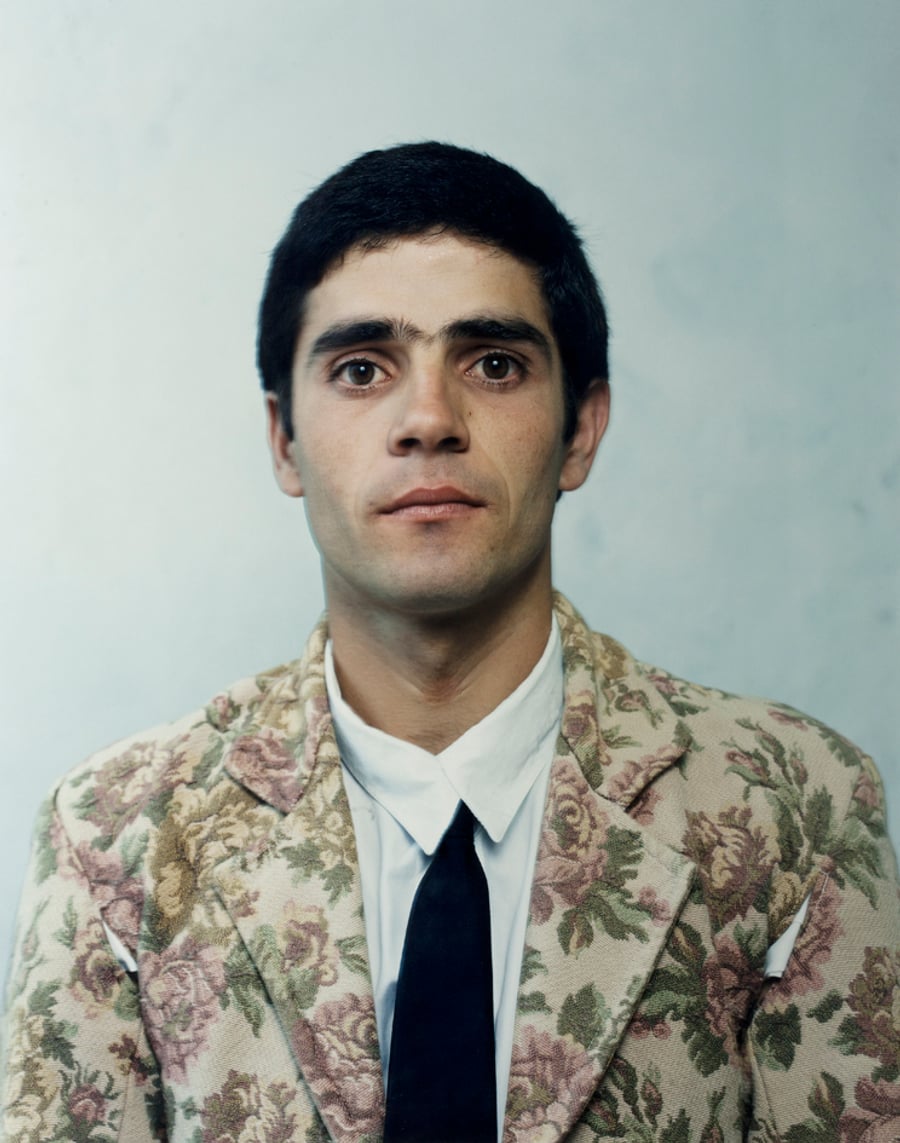
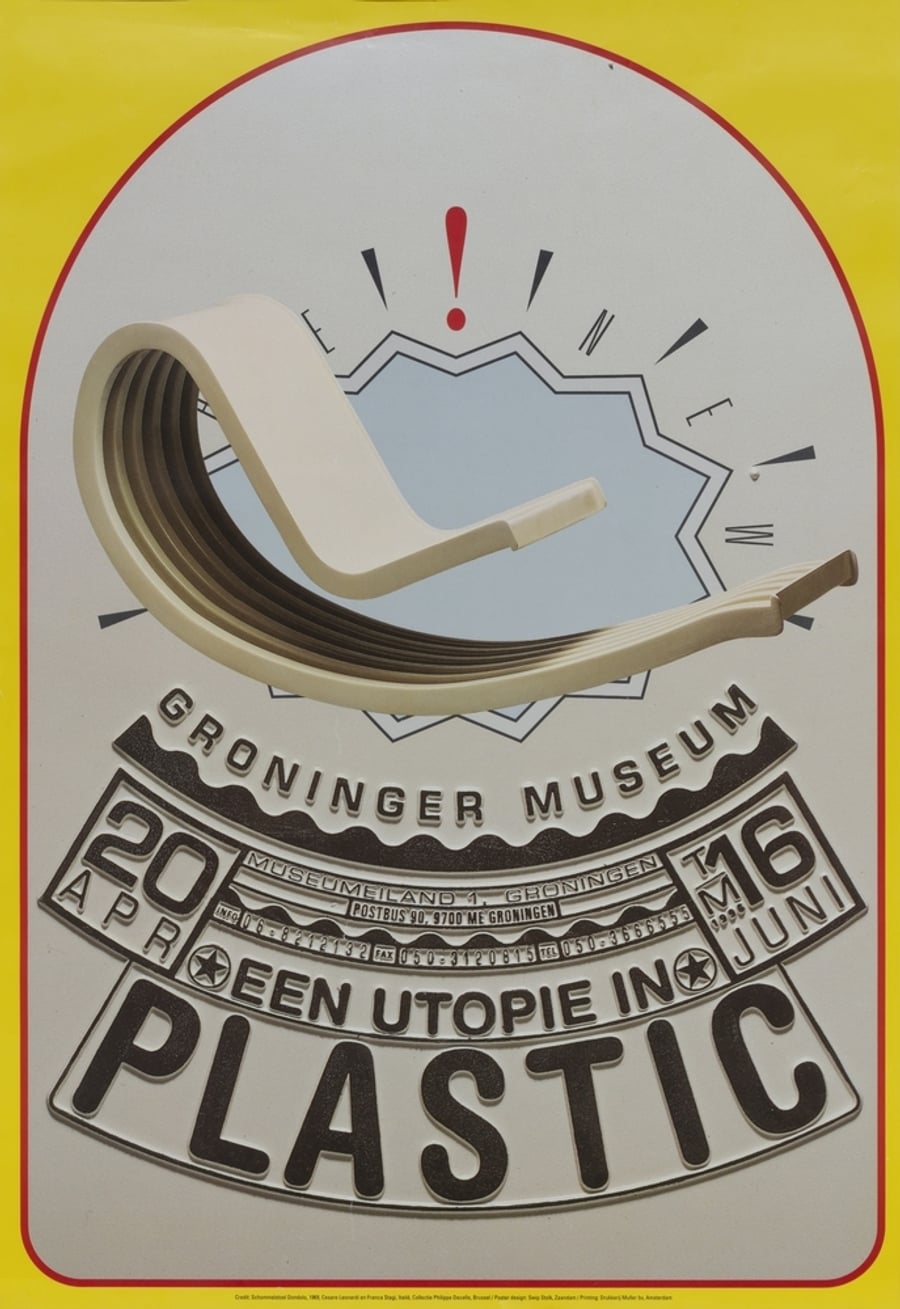
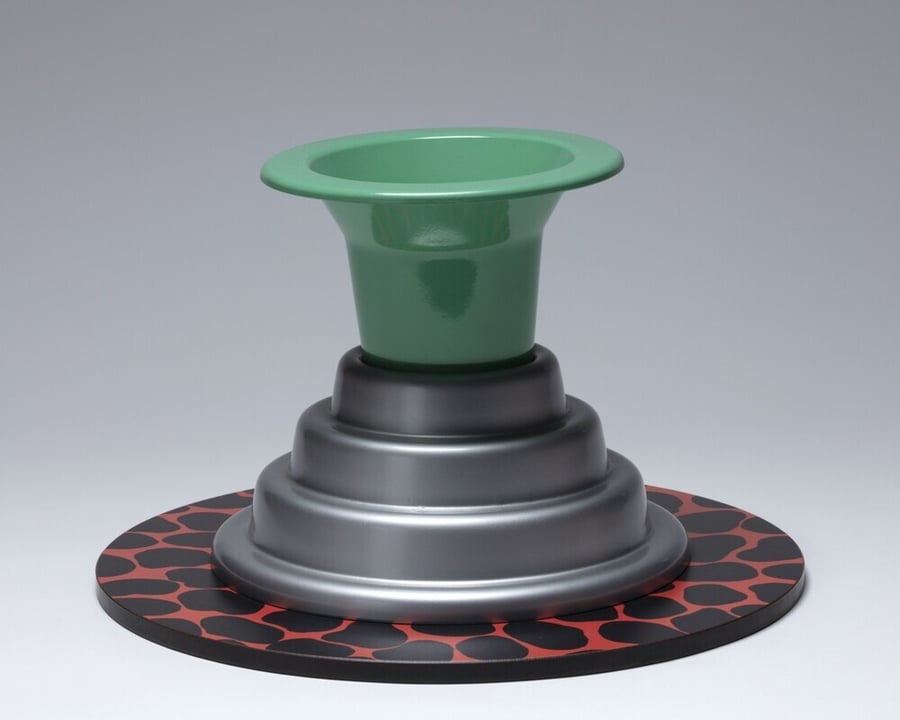
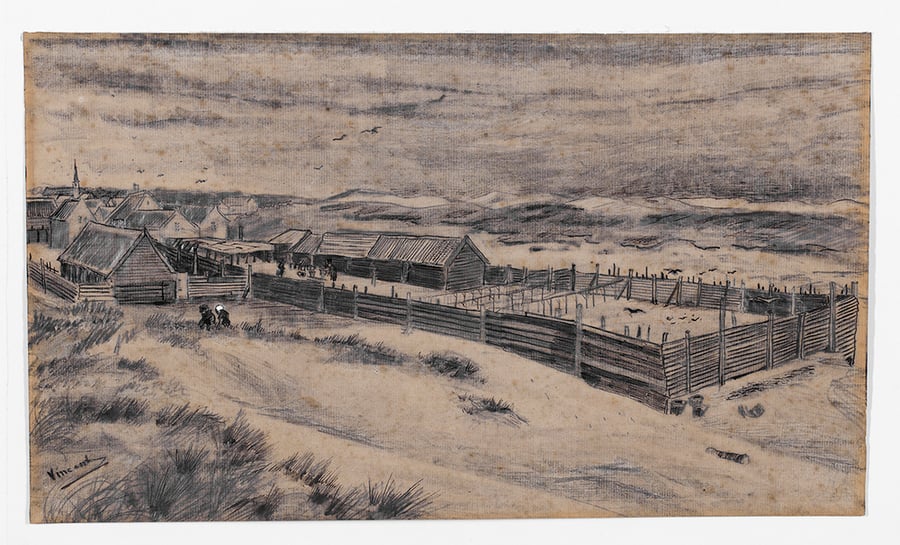
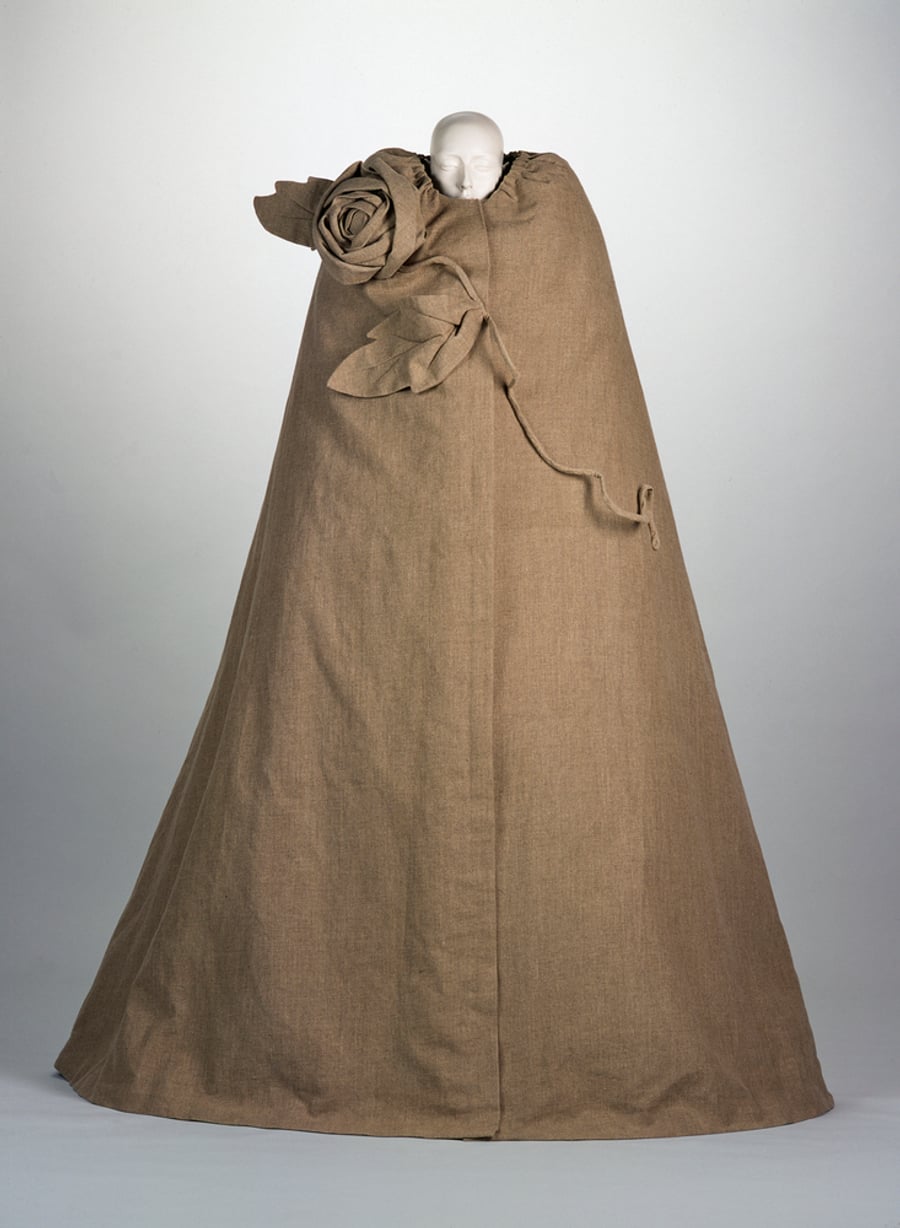
Explore our collection online. Discover artworks and objects from the Groninger Museum collection and learn more about their makers, stories and background.
Looking for detailed information about the collection? Explore the Axiell database for information about objects and books in the museum collection.
The Stichting De Ploeg collection comprises more than 2,000 works, which are on permanent loan to the Groninger Museum.