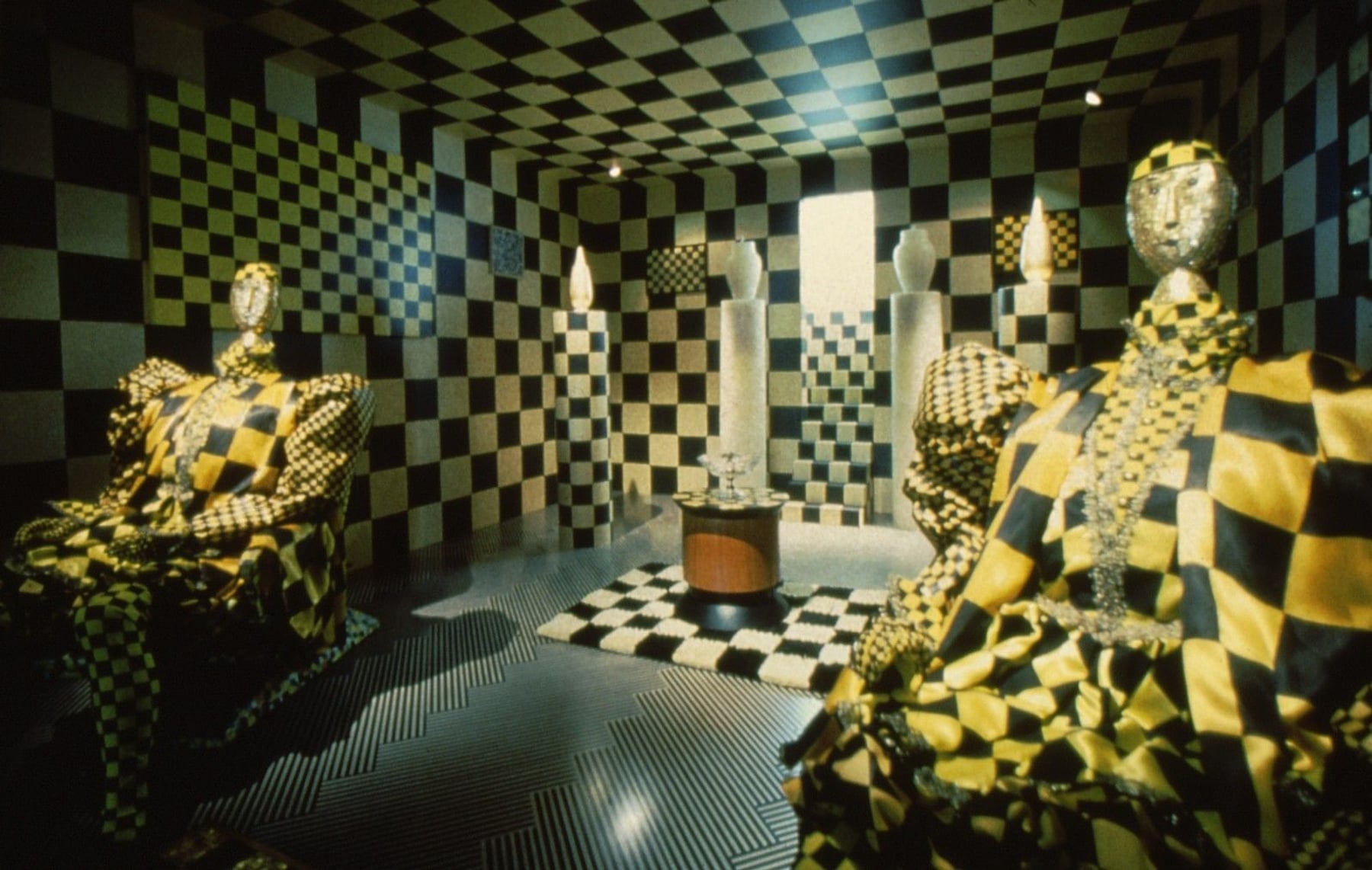
Groninger Museum is the largest museum in the north of the Netherlands for art and design, home to over 60,000 objects and artworks spanning five millennia. This is where stories of our time and possible futures take shape, from Neolithic East Asian ceramics to works from the twenty-first century.
The building itself began as an experiment, a postmodern statement built through collaboration by multiple designers and architects: Mendini, Starck, De Lucchi and Coop Himmelb(l)au. Just as the building was a postmodern provocation built on collectivity, experimentation and interdisciplinarity, the collection, its displays, changing exhibitions, and public programmes hold the same instinct, committed to timely topics of today through the lens of contemporary art.
Learn more about the museum's polyphonic collection, or how different architects and designers shaped the building, each with their own styles.
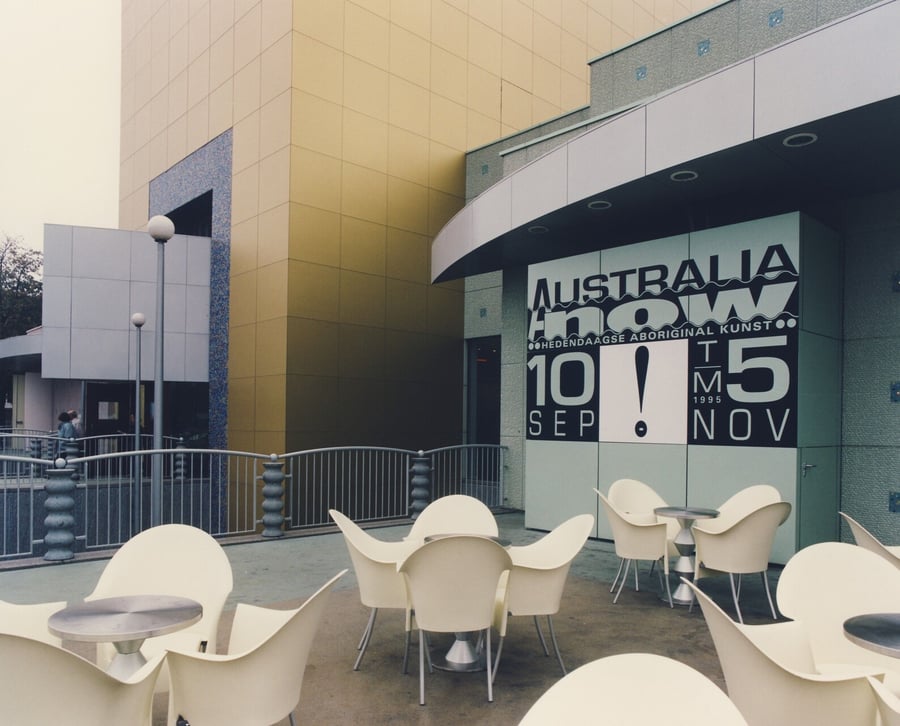
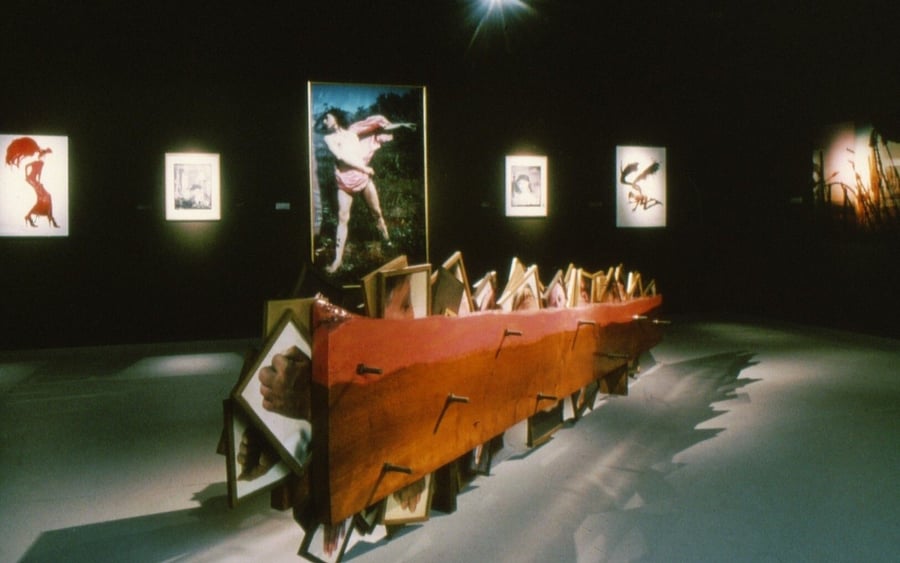
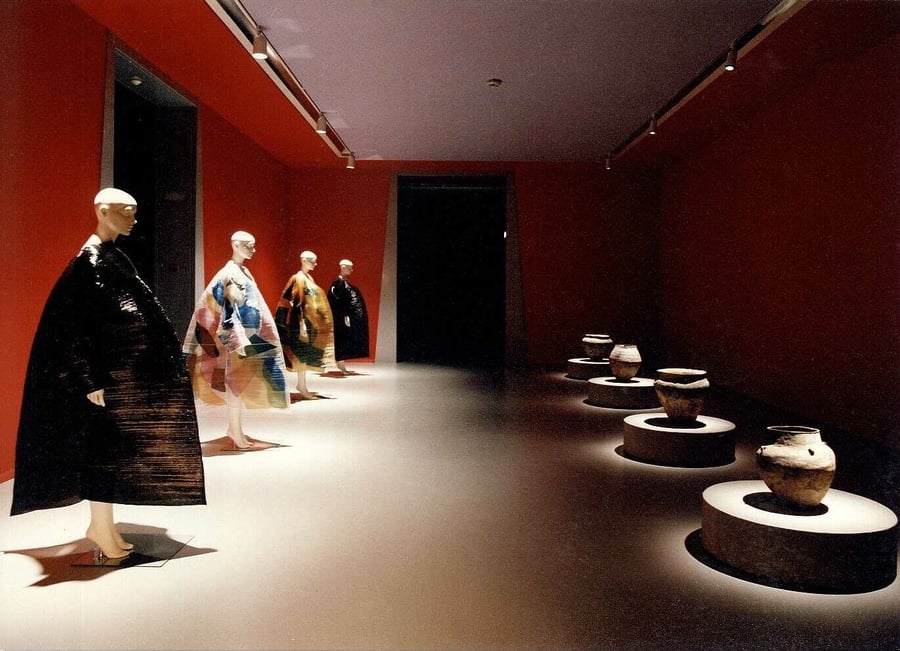
Alessandro Mendini and the then-director behind this building, Frans Haks, looked beyond the boundaries between art disciplines and rejected the idea that one should rank above another. For Mendini and Haks, no such hierarchy existed. Every discipline carried equal weight and could be combined with others to form something new, an approach that defines twentieth-century postmodernism. Mendini's vision for this architecture, built on experimenting, collectivity and interdisciplinarity, is taken as a departure point for the new artistic chapter of Groninger Museum, where timely stories take shape.
Groninger Museum’s programme is structured around year-long themes. Starting in autumn 2026, the programme will spend a year revolving around two characters, ‘the architect’ and ‘the housewife’. The exhibitions and public programmes see the characters as a field of tension and a way to ask the questions: Who is encouraged to think big? Who gets to design ‘the house’ and who takes care of it? From 2027 the programme will dive into ‘death’ and ‘the heart’.
In keeping with the spirit of collaboration that characterises the postmodern architecture of Groninger Museum itself, the programme unfolds as an interdisciplinary conversation that connects disciplines, collections, artists and designers.
With this new chapter, the museum looks backwards and forwards. It reconnects with this building’s visionary spirit and the experimental approach of Groninger Museum in the 1990s, and makes space for the urgent questions of the twenty-first century: Back to the future!